
Leiden from 1619
Mayflower 1620: James
Angel remained in Leiden

James & Angel Chilton

A father and daughter describe their home, a violent attack and the neighbours who found James badly wounded.

Artistic impression

Records

Choose a person

James ChiltonOpen storyClose story1 record · translated

The story in the record

A house, a wound and a sworn account

On 30 April 1619 James Chilton gave evidence in his own house. The notary called him an Englishman, about 63 years old, living in a passage on the Lange Vollersgracht bridge beyond the Diefsteeg.

James described about twenty boys entering the courtyard after rumours that Arminians were meeting there. After he ordered them away, one boy threw a paving brick that struck him above the left eye. The statement names Jacob Hey as the city surgeon treating the wound.

Name in the recordJacob Tjilthem
Recorded asEnglish resident · witness giving testimony
Place in LeidenA passage on the Lange Vollersgracht bridge beyond the Diefsteeg
Record anchor30 April 1619
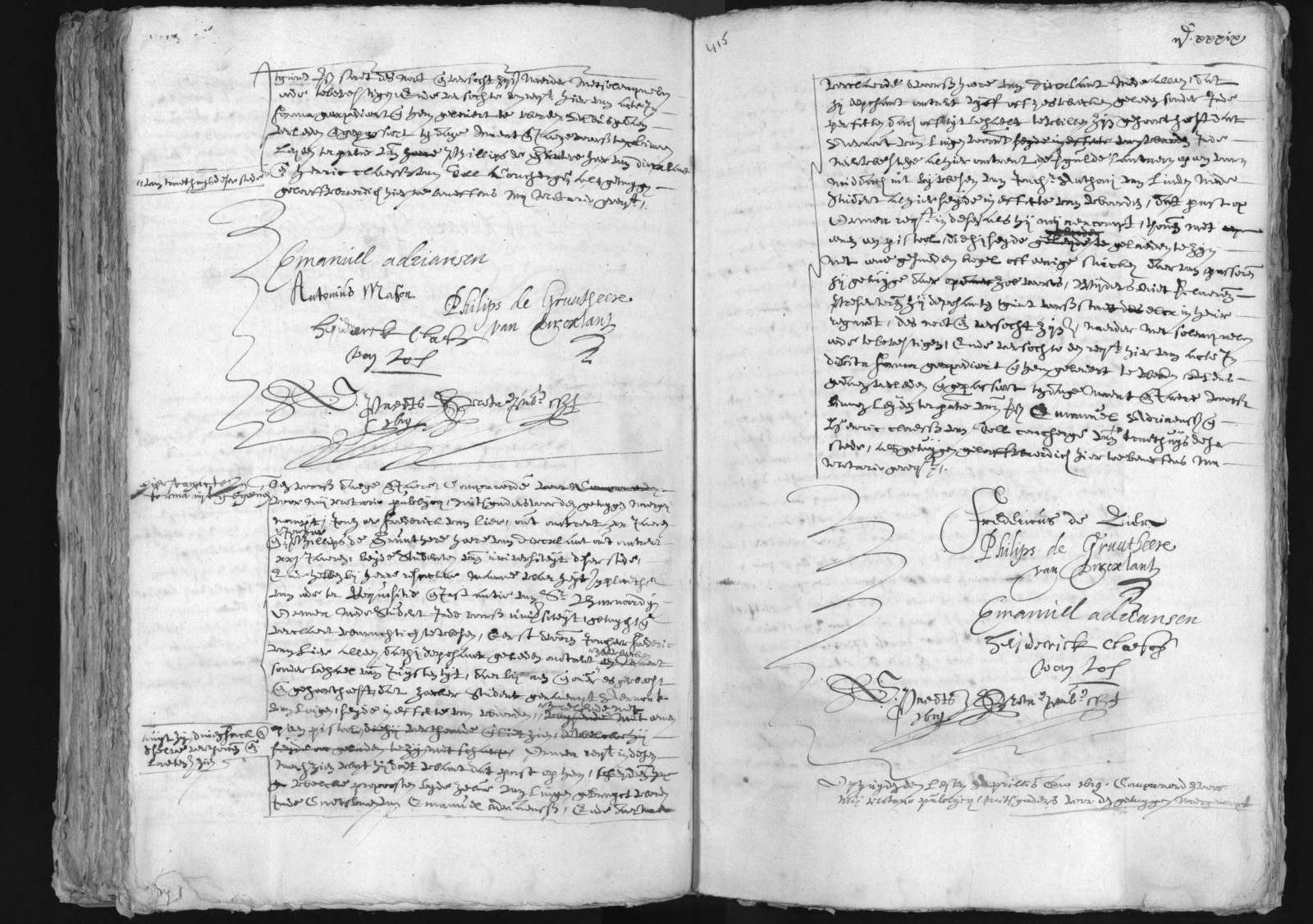
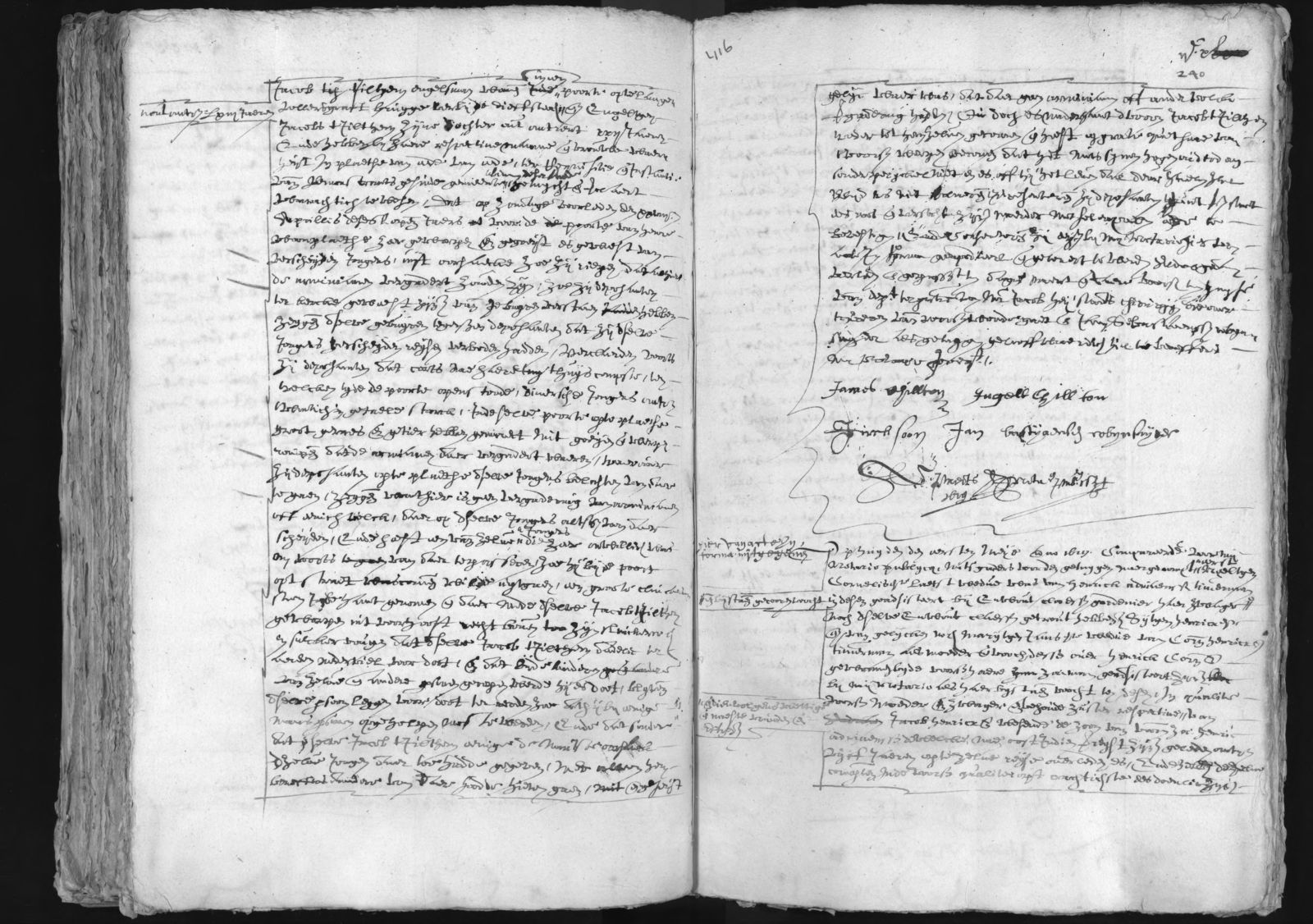
James and Angel testify after an attack outside their home2 scansOpen document and translationClose document
Read the complete English translation
Complete English translation

On the last day of April 1619, before me, notary public, and the witnesses named below, appeared James Chilton, an Englishman living in a passage on the Lange Vollersgracht bridge beyond the Diefsteeg, aged about 63, and Angel, daughter of James Chilton, aged about 22.

In place of an oath, and at the request of the Remonstrant congregation in this city, they declared as true that on the preceding Sunday, 28 April of this year, boys had thrown stones outside the passage where they lived because, as the boys shouted, Arminians were supposedly meeting there. The witnesses, who had been at church, heard from their neighbours that the boys had repeatedly been told to stop.

They further declared that shortly after they returned home, while the gate stood open, about twenty boys entered the courtyard. They made a great noise, threw objects and shouted that Arminians were assembled there. James and Angel ordered the boys to leave, saying that no Arminians or anyone else were meeting there, whereupon the boys went away.

One boy, who was very unwilling to leave, reached the street, took a large paving brick in his hand and threw it at James Chilton. The stone struck James on the forehead directly above his left eye. James immediately fell to the ground as if dead. His children and others cried that he was dead, and several men had to lift him.

James had given the boy no cause beyond telling him, with the others, to leave and truthfully saying that no Arminians or other people were meeting there. James later regained consciousness, but had received a serious wound which, because of his advanced age, endangered his life.

James and Angel offered to confirm their testimony by solemn oath if required and consented that the notary issue a formal instrument. Executed at James Chilton’s house in the presence of Jacob Hey, the city surgeon treating the wound, and Jan Bastiaansz, ruby cutter, as credible witnesses. Signed James Chilton, Angel Chilton, J. Dircksoon, Jan Bastiaansz and A. C. Paedts, 1619.

Translation by Radicae, The Leiden Connection.

Read the original Dutch transcription

Op huyden den lesten aprillis anno 1619 compareerden voor mij, notario publycq, mitsgaders voor den getuygen naergenompt, Jacob Tjilthem, Engelsman, wonende in een poorte opte Langen Vollersgraftbrugge verbij de Dieffsteech, out omtrent 63 jaeren, ende Engeltgen Jacobs Tjilthem, zijne dochter, out omtrent 22 jaeren. Ende hebben bij haere respective manne- ende vrouwewaerheyt, in plaetse van eede, ter requisitie ende instantie van de Remonstrantsgesinde gemeente binnen deser stede, getuycht ende verclaert warachtich te wesen dat op zondage voorleden, den 28en aprillis deses lopende jaers, voor de poorte van heure woonplaetse zeer geworpen ende gegooyt es geweest van verscheyden jongens, uyt oorsaecke, zoe zij riepen, dat alhier de Arminianen vergadert zouden zijn, zoe zij deposanten, ter kercke geweest zijnde, van de gebuyren verstaen hebben, zeggende d’selve gebuyren tegen hen deposanten dat zij d’selve jongens verscheyden reysen verboden hadden. Verclaerden voorts zij deposanten dat corts nae haere thuyscompste, ten welcken tijde de poorte openstonde, diversche jongens, omtrent twintich in getaele starck, in deselve poorte, opte plaetse, groot geraes ende getier hebben gemaect mit gooyen ende werpen, roupende dat de Armianen daer vergadert waeren, waeromme zij deposanten opte plaetse d’selve jongens belasten vandaer te gaen, zeggende, want hier is geen vergadering van Arminianen off eenich volck; daerop d’selve jongens altsamen vandaer scheyden. Ende heeft een van dezelve jongens, die zeer onwillich was om voorts vandaer te passeren, zoe hij bij de poort opt straet was comende, wilde uytgaen, een groote clinckersteen in de hant genomen ende daermede d’selve Jacob Tjilthem geworpen in ‘t voorhooft, recht boven zijn slinckeroog, in sulcker vougen dat d’selve Jacob Tjilthem dadelic ter aerden nederviel voor doot, ende dat bij de kinderen van dezelve ende andere personen geroepen werde: hij es doot, blijvende d’selve persoon leggen voor doot ter aerden, zoodat hij bij eenige manspersoonen opgeholpen moste werden. Ende dat, sonder dat d’selve Jacob Tjilthem eenige de mintste oorsaeck d’zelve jongen daertoe hadde gegeven, mer alleen hem beneffens d’andere vandaer hadde hieten gaen ende geseyt, gelijc waer was, dat daer geen Arminianen off ander volck vergadering hadden. Doch es naderhant d’voorn. Jacob Tjilthem weder tot hemselven gecomen ende heeft een groote quetsure van ‘t voors. werpen becomen, dat het mits sijnen hogen ouderdom sonder peryckel niet en es, off hij het leven daerdeur haelen zal. Wijders niet verclaerende, presenterende zij deposanten ‘tgunt vers. staet desnoot ende versocht zijnde naerder met solempnelen eede te bevestigen, ende consenterende zij deposanten bij mij notario hiervan acte in forma geëxpedieert ende gelevert te werden. Aldus gedaen, verleden ende gepasseert, ten dage, maent ende jaere voors., ten huyse van de deposant, ter presentie van Mr. Jacob Hey, stadtschirurgijn, die over ‘t cureren van de voors. wonde gaet, ende Jan Sebastiaensz., robijnsnijder, als getuygen gelooffwaerdich hiertoe beneffens mij notario gerequireert. James Chillton Ingell Chillton J. Dircksoon Jan Bastyaensen, robijnsnijder A.C. Paedts, 1619

Source: View this record · record group 0506 · call no. 180 · folio 239

Genealogical reading

What this record establishes

Established
  • James and Angel are named as father and daughter, aged about 63 and 22.
  • The statement places their home in a passage beyond the Diefsteeg and records the attack and James’s treatment.
Not established alone
  • The attacker is not named.
  • The statement does not establish anything about the family’s later voyage.
Angel ChiltonOpen storyClose story1 record · translated

The story in the record

A daughter beside her father

Angel Chilton stood beside her father when the notary recorded their account. The Dutch text calls her Engeltgen Jacobs Tjilthem, daughter of James, and gives her age as about 22.

Her statement follows the same sequence: church, neighbours’ warnings, boys entering the open passage, the order to leave and the stone that felled her father. Angel signed the deed with James and the other witnesses.

Name in the recordEngeltgen Jacobs Tjilthem
Recorded asDaughter · witness giving testimony
Place in LeidenHer father’s house beyond the Diefsteeg
Record anchor30 April 1619
James and Angel testify after an attack outside their home2 scansOpen document and translationClose document
Read the complete English translation
Complete English translation

On the last day of April 1619, before me, notary public, and the witnesses named below, appeared James Chilton, an Englishman living in a passage on the Lange Vollersgracht bridge beyond the Diefsteeg, aged about 63, and Angel, daughter of James Chilton, aged about 22.

In place of an oath, and at the request of the Remonstrant congregation in this city, they declared as true that on the preceding Sunday, 28 April of this year, boys had thrown stones outside the passage where they lived because, as the boys shouted, Arminians were supposedly meeting there. The witnesses, who had been at church, heard from their neighbours that the boys had repeatedly been told to stop.

They further declared that shortly after they returned home, while the gate stood open, about twenty boys entered the courtyard. They made a great noise, threw objects and shouted that Arminians were assembled there. James and Angel ordered the boys to leave, saying that no Arminians or anyone else were meeting there, whereupon the boys went away.

One boy, who was very unwilling to leave, reached the street, took a large paving brick in his hand and threw it at James Chilton. The stone struck James on the forehead directly above his left eye. James immediately fell to the ground as if dead. His children and others cried that he was dead, and several men had to lift him.

James had given the boy no cause beyond telling him, with the others, to leave and truthfully saying that no Arminians or other people were meeting there. James later regained consciousness, but had received a serious wound which, because of his advanced age, endangered his life.

James and Angel offered to confirm their testimony by solemn oath if required and consented that the notary issue a formal instrument. Executed at James Chilton’s house in the presence of Jacob Hey, the city surgeon treating the wound, and Jan Bastiaansz, ruby cutter, as credible witnesses. Signed James Chilton, Angel Chilton, J. Dircksoon, Jan Bastiaansz and A. C. Paedts, 1619.

Translation by Radicae, The Leiden Connection.

Read the original Dutch transcription

Op huyden den lesten aprillis anno 1619 compareerden voor mij, notario publycq, mitsgaders voor den getuygen naergenompt, Jacob Tjilthem, Engelsman, wonende in een poorte opte Langen Vollersgraftbrugge verbij de Dieffsteech, out omtrent 63 jaeren, ende Engeltgen Jacobs Tjilthem, zijne dochter, out omtrent 22 jaeren. Ende hebben bij haere respective manne- ende vrouwewaerheyt, in plaetse van eede, ter requisitie ende instantie van de Remonstrantsgesinde gemeente binnen deser stede, getuycht ende verclaert warachtich te wesen dat op zondage voorleden, den 28en aprillis deses lopende jaers, voor de poorte van heure woonplaetse zeer geworpen ende gegooyt es geweest van verscheyden jongens, uyt oorsaecke, zoe zij riepen, dat alhier de Arminianen vergadert zouden zijn, zoe zij deposanten, ter kercke geweest zijnde, van de gebuyren verstaen hebben, zeggende d’selve gebuyren tegen hen deposanten dat zij d’selve jongens verscheyden reysen verboden hadden. Verclaerden voorts zij deposanten dat corts nae haere thuyscompste, ten welcken tijde de poorte openstonde, diversche jongens, omtrent twintich in getaele starck, in deselve poorte, opte plaetse, groot geraes ende getier hebben gemaect mit gooyen ende werpen, roupende dat de Armianen daer vergadert waeren, waeromme zij deposanten opte plaetse d’selve jongens belasten vandaer te gaen, zeggende, want hier is geen vergadering van Arminianen off eenich volck; daerop d’selve jongens altsamen vandaer scheyden. Ende heeft een van dezelve jongens, die zeer onwillich was om voorts vandaer te passeren, zoe hij bij de poort opt straet was comende, wilde uytgaen, een groote clinckersteen in de hant genomen ende daermede d’selve Jacob Tjilthem geworpen in ‘t voorhooft, recht boven zijn slinckeroog, in sulcker vougen dat d’selve Jacob Tjilthem dadelic ter aerden nederviel voor doot, ende dat bij de kinderen van dezelve ende andere personen geroepen werde: hij es doot, blijvende d’selve persoon leggen voor doot ter aerden, zoodat hij bij eenige manspersoonen opgeholpen moste werden. Ende dat, sonder dat d’selve Jacob Tjilthem eenige de mintste oorsaeck d’zelve jongen daertoe hadde gegeven, mer alleen hem beneffens d’andere vandaer hadde hieten gaen ende geseyt, gelijc waer was, dat daer geen Arminianen off ander volck vergadering hadden. Doch es naderhant d’voorn. Jacob Tjilthem weder tot hemselven gecomen ende heeft een groote quetsure van ‘t voors. werpen becomen, dat het mits sijnen hogen ouderdom sonder peryckel niet en es, off hij het leven daerdeur haelen zal. Wijders niet verclaerende, presenterende zij deposanten ‘tgunt vers. staet desnoot ende versocht zijnde naerder met solempnelen eede te bevestigen, ende consenterende zij deposanten bij mij notario hiervan acte in forma geëxpedieert ende gelevert te werden. Aldus gedaen, verleden ende gepasseert, ten dage, maent ende jaere voors., ten huyse van de deposant, ter presentie van Mr. Jacob Hey, stadtschirurgijn, die over ‘t cureren van de voors. wonde gaet, ende Jan Sebastiaensz., robijnsnijder, als getuygen gelooffwaerdich hiertoe beneffens mij notario gerequireert. James Chillton Ingell Chillton J. Dircksoon Jan Bastyaensen, robijnsnijder A.C. Paedts, 1619

Source: View this record · record group 0506 · call no. 180 · folio 239

Genealogical reading

What this record establishes

Established
  • James and Angel are named as father and daughter, aged about 63 and 22.
  • The statement places their home in a passage beyond the Diefsteeg and records the attack and James’s treatment.
Not established alone
  • The attacker is not named.
  • The statement does not establish anything about the family’s later voyage.

Chilton family timeline

Chilton family timeline

  1. James and Angel Chilton: The attack outside their home

    A crowd enters the passage and James is struck above his left eye.

  2. James and Angel Chilton: The notarial statement

    Father and daughter give their account at James’s house before the notary and witnesses.

Before and after Leiden

Family history beyond the Leiden deeds

Ten children, and a mother’s name that was never recorded

Ten Chilton children were baptised across three parishes: St Paul’s and St Martin’s in Canterbury, and, after about 1600, St Peter’s in Sandwich. Isabella, the eldest, was baptised at St Paul’s on 15 January 1586/7 and married Roger Chandler at Leiden on 21 July 1615. Ingle, baptised at St Paul’s on 29 April 1599, is thought to be the “Engeltgen Gilten” who married Robert Nelson at Leiden on 27 August 1622. Three children died young and were buried at St Martin’s. Mary, the youngest, was baptised at St Peter’s, Sandwich, on 31 May 1607; the date of 30 May, widely reproduced, is an error corrected against the original register. [New England Historical and Genealogical Register]

One absence runs through the whole family. In every surviving record — ten baptisms, an excommunication entry, Bradford’s passenger list — James Chilton’s wife is never named. In the excommunication entry she appears simply as the wife of James Chilton, apparently with a space left for a name the clerk never returned to fill in. No marriage record has been found, despite systematic searching of the Canterbury registers and neighbouring parishes. She crossed the Atlantic, died in the first winter at Plymouth, and her name is lost. [American Ancestors]

No baptism has been found for James Chilton either. The best evidence for his age is the statement of facts drawn up at Leiden in 1619, which describes him as approximately sixty-three years old, placing his birth around 1556. [mayflowerhistory.com]

Continue your own research

Trace the Chilton line further

This site follows James and Angel Chilton through their Leiden years specifically. To trace the Chilton line further back or forward in time, external genealogy databases can help.

Genealogical research in Dutch archives

Need help with your own Dutch family history?

Radicae offers genealogical research services for family historians working with Dutch records, including family tree research, archive research and translation of Dutch records. Personal tours in the Netherlands and one-on-one consultations on genealogy and DNA research are also available.

Get in touch