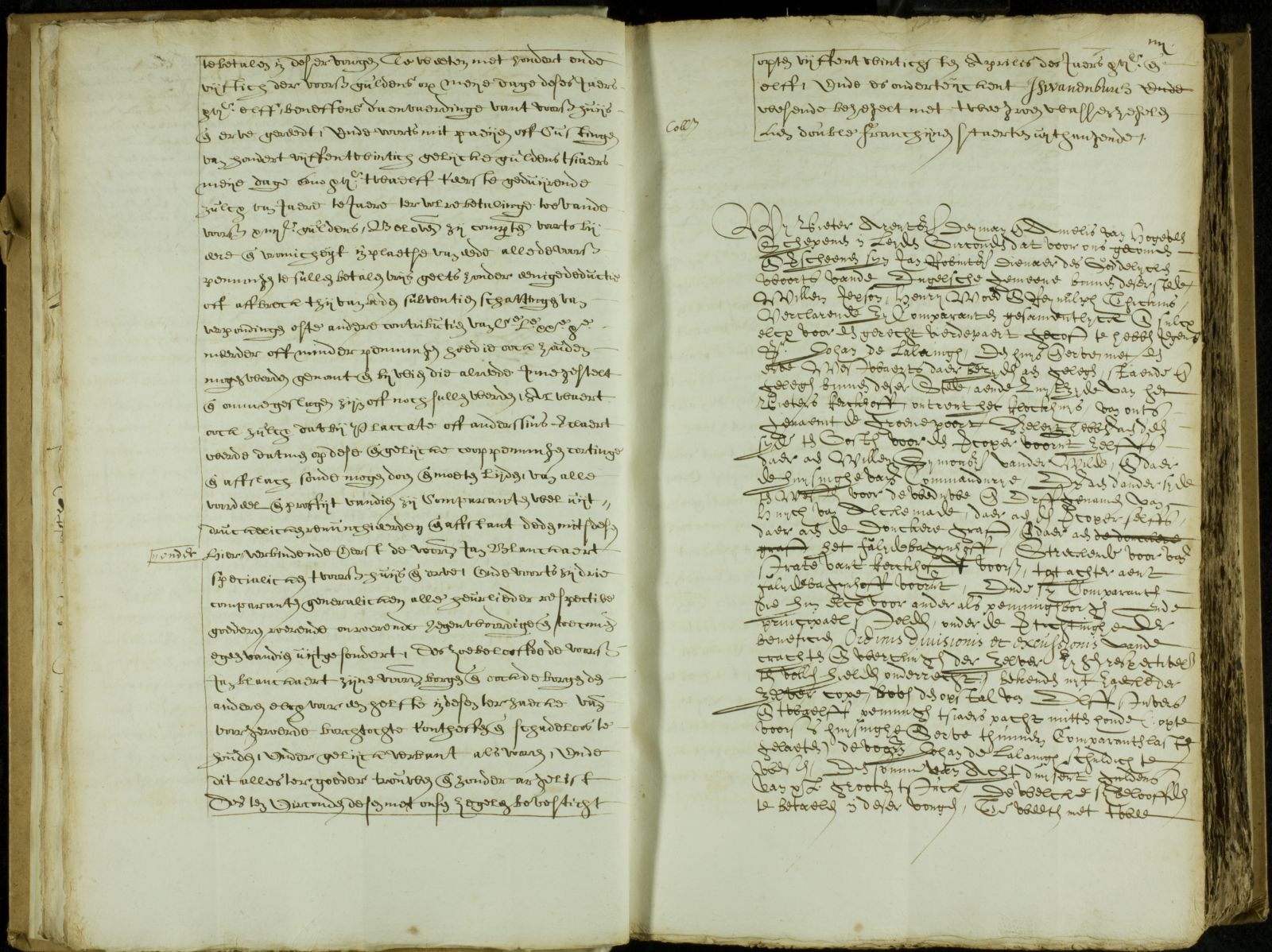
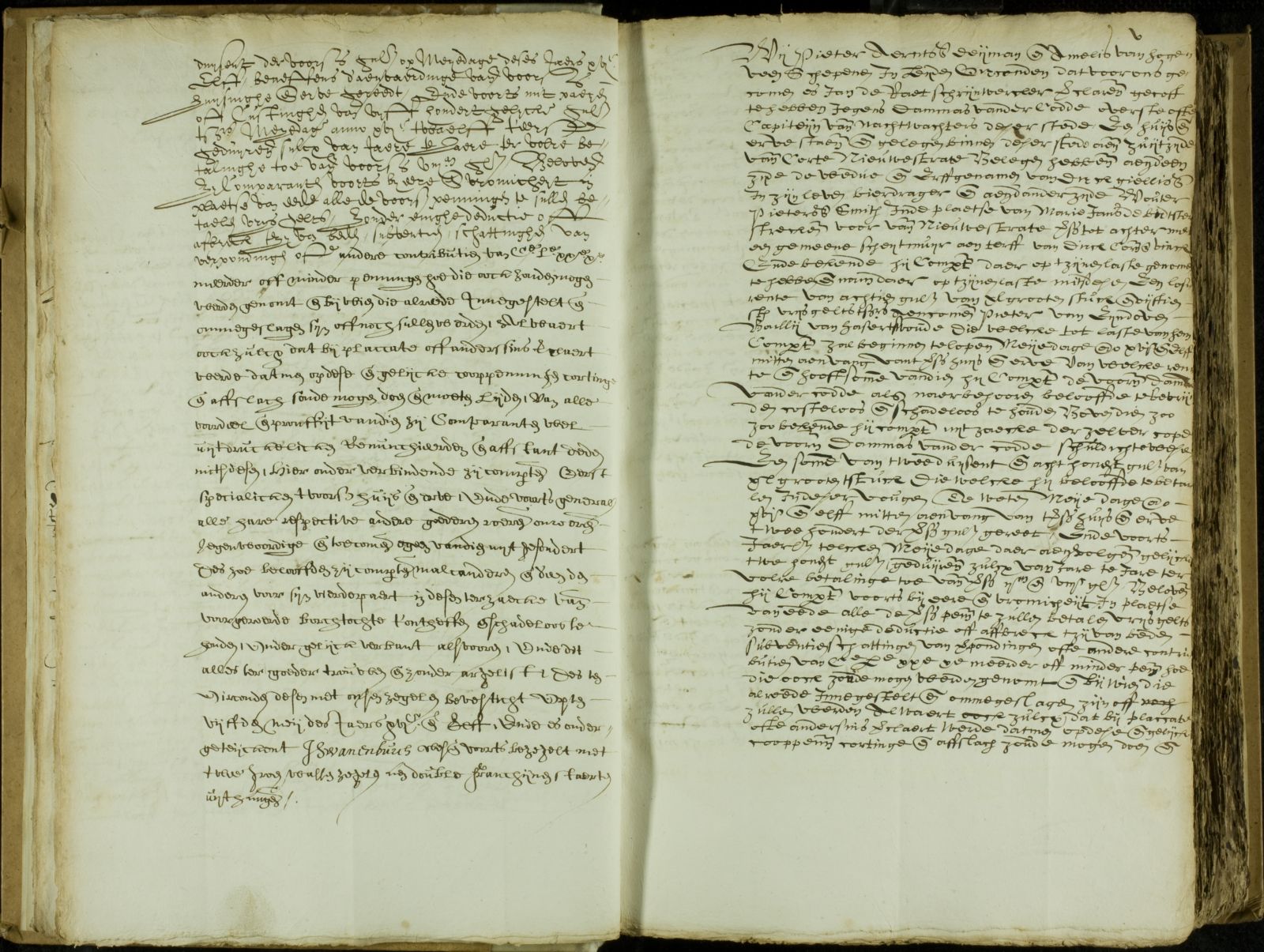
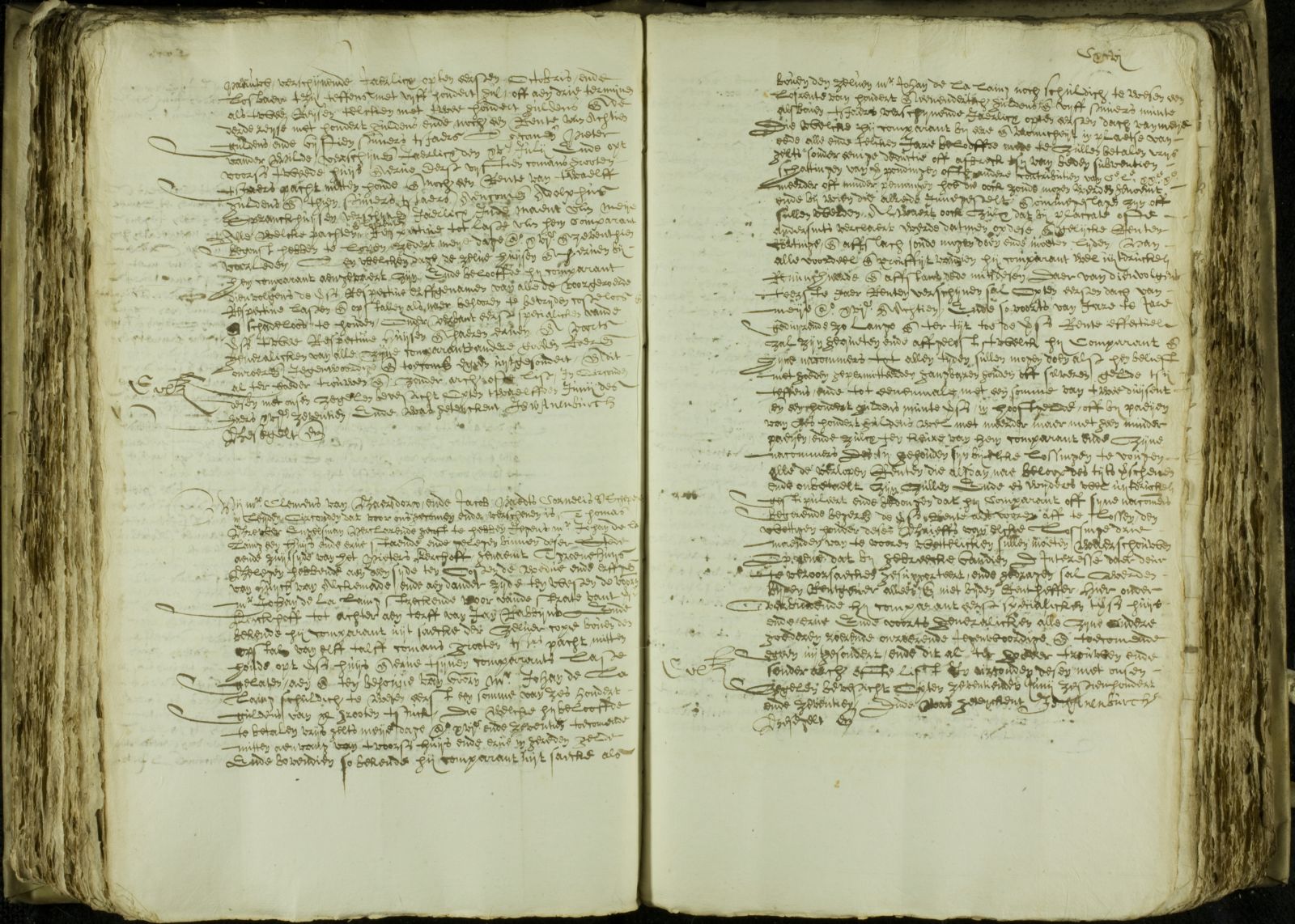
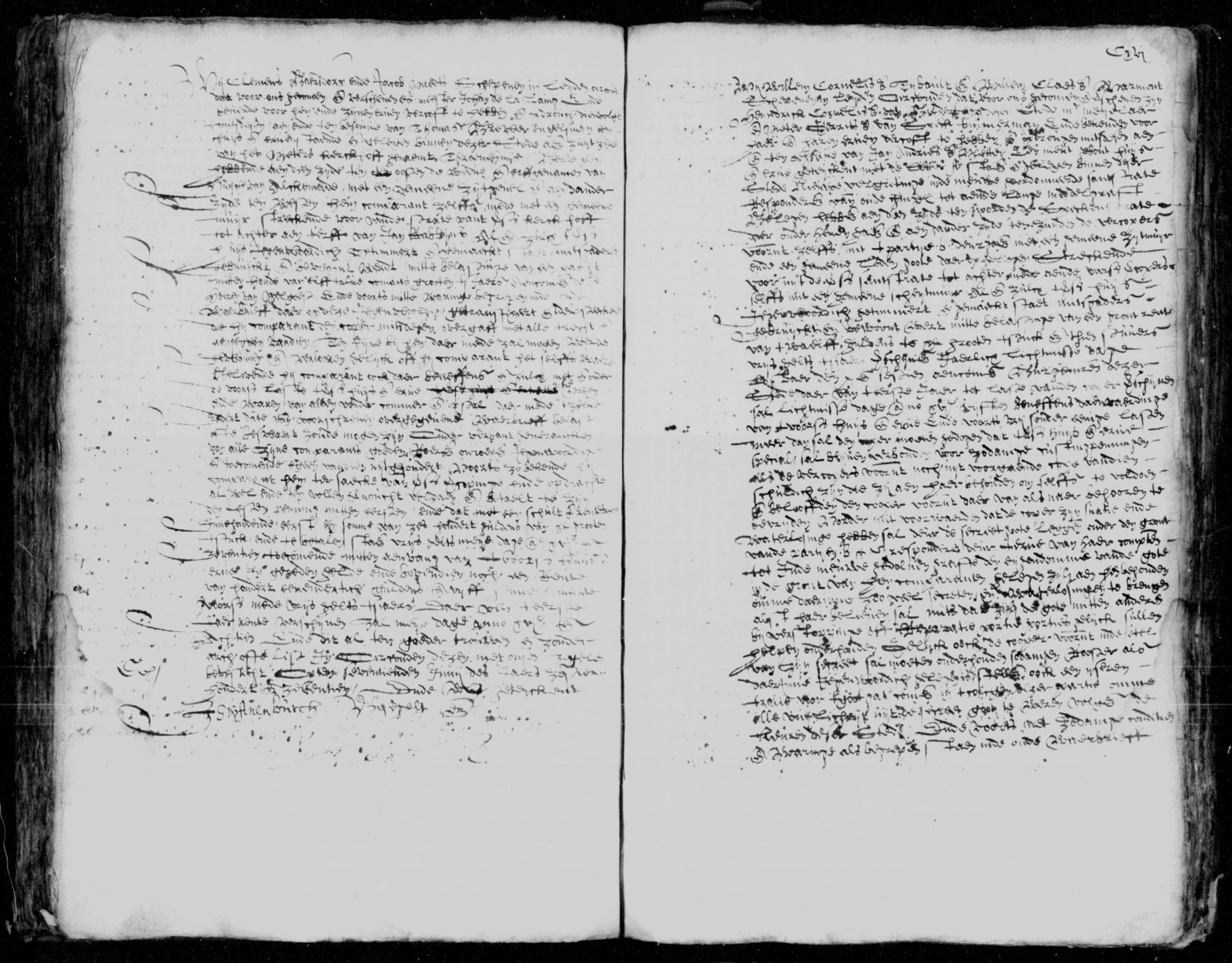
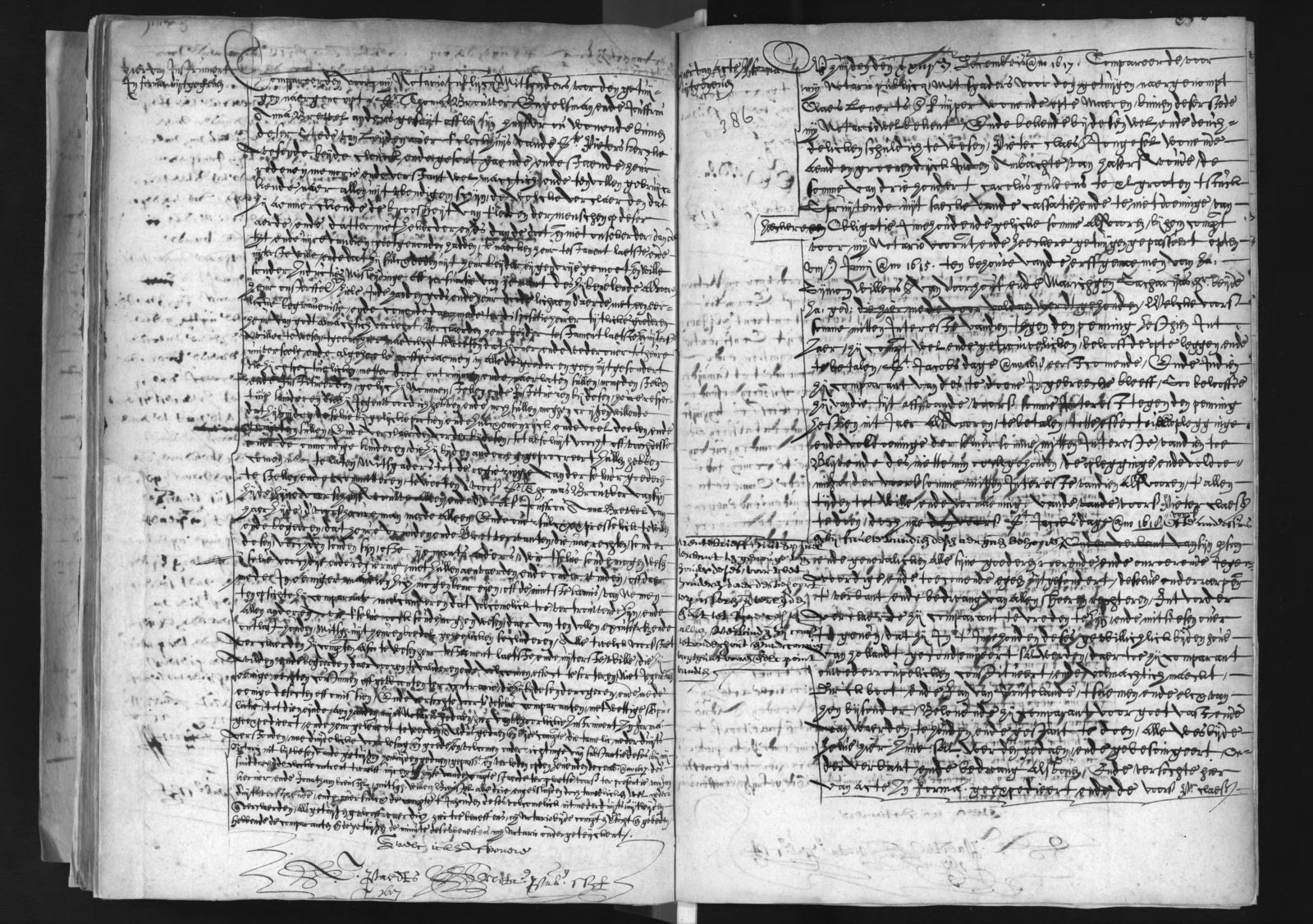
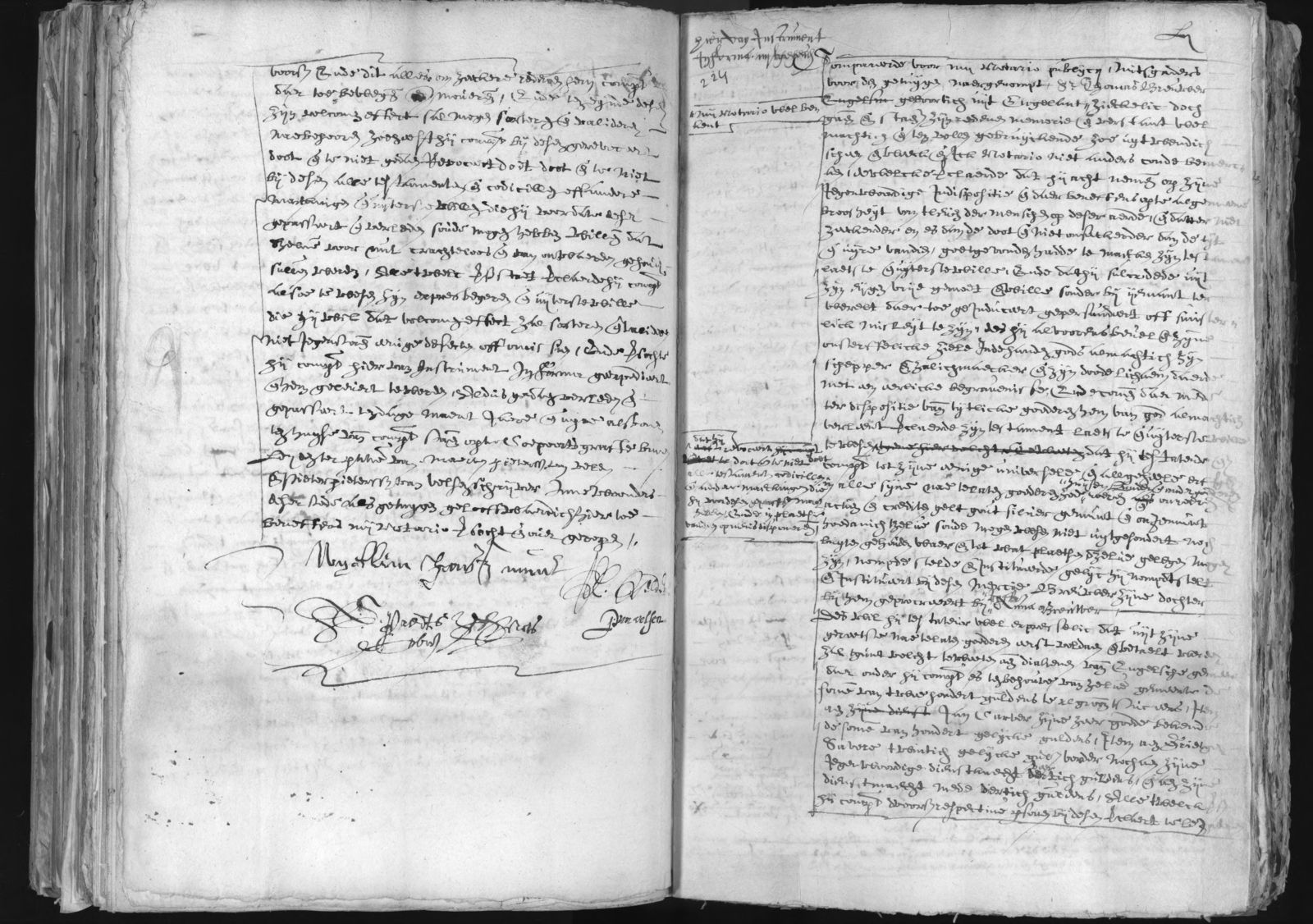
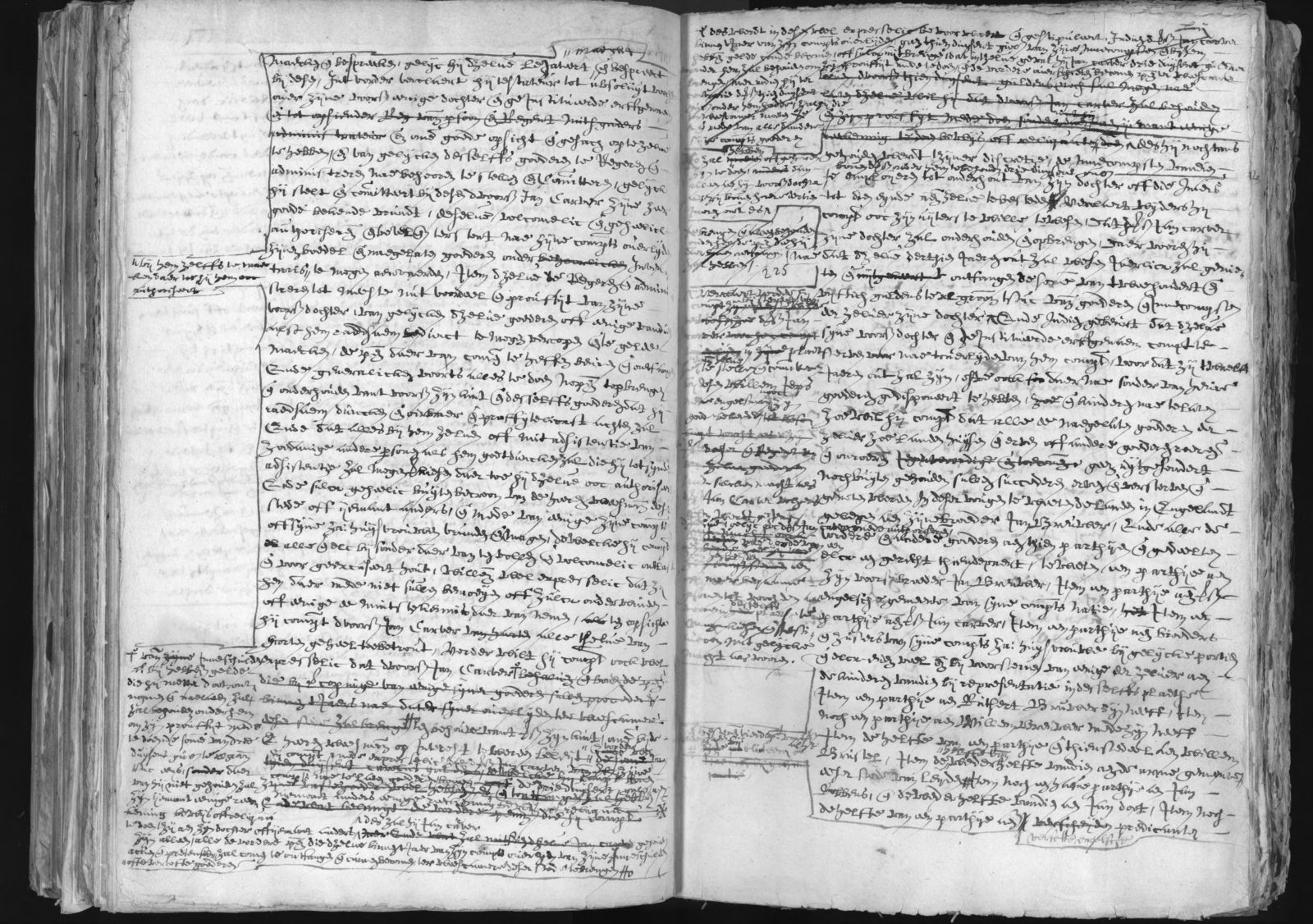
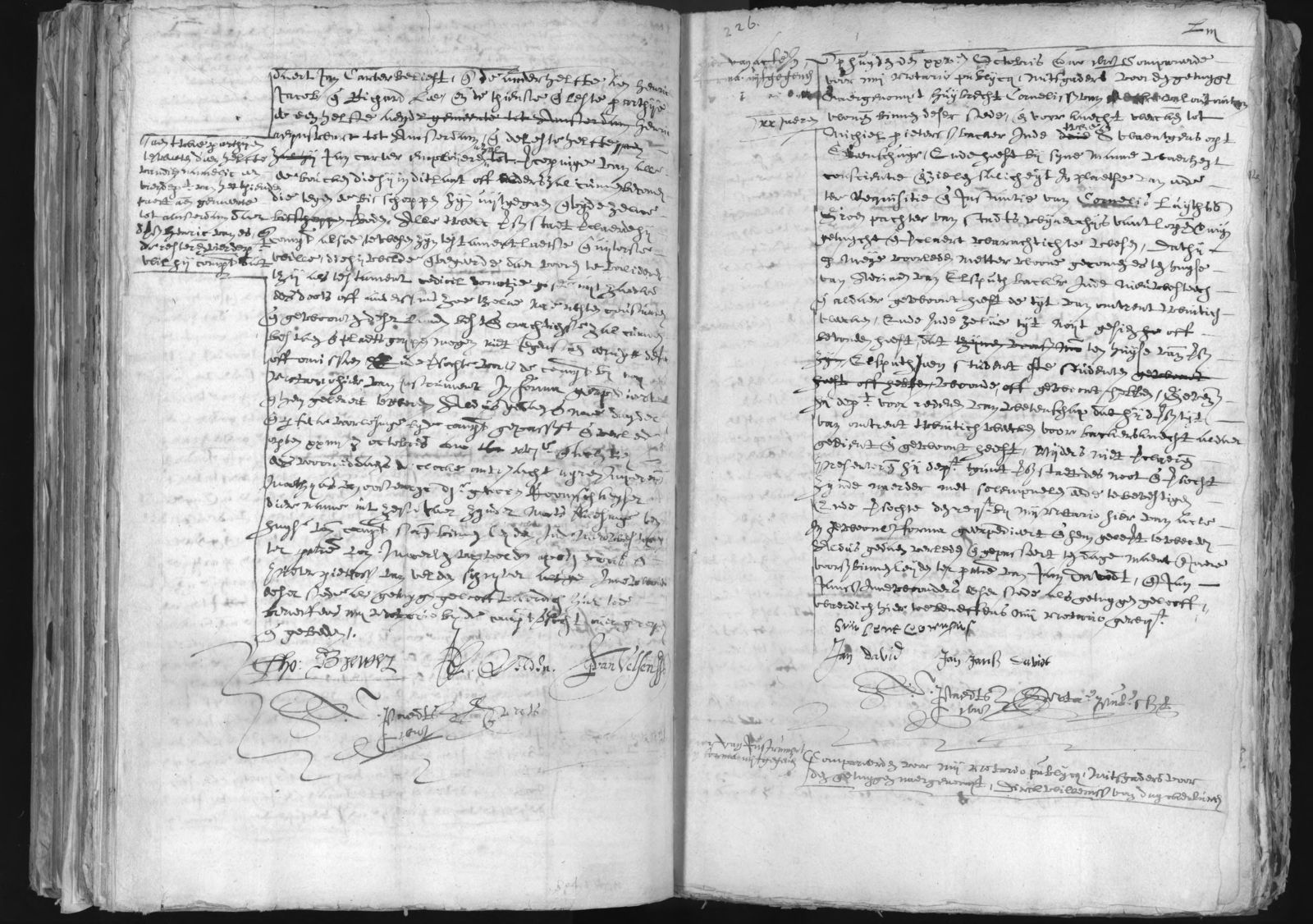
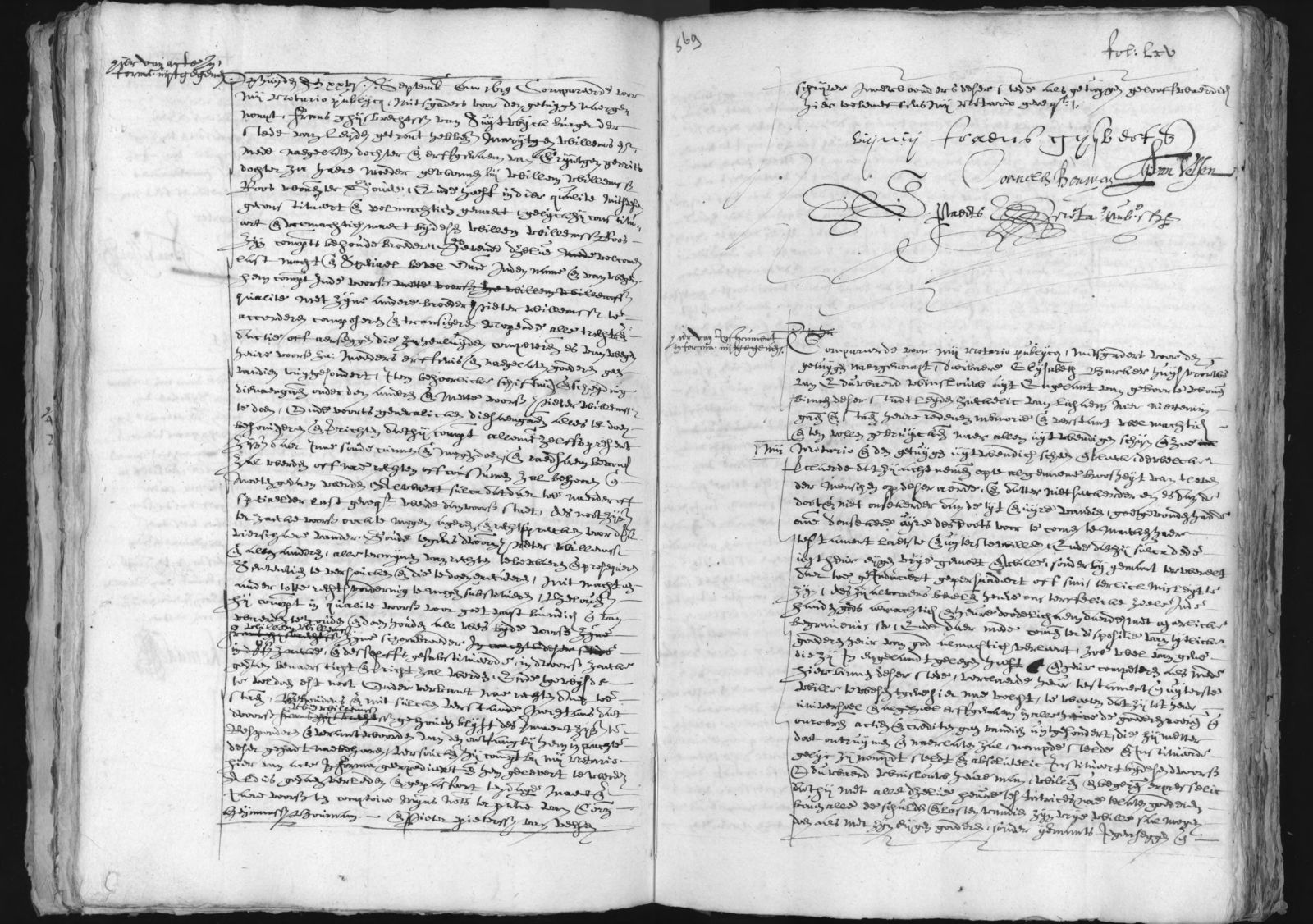
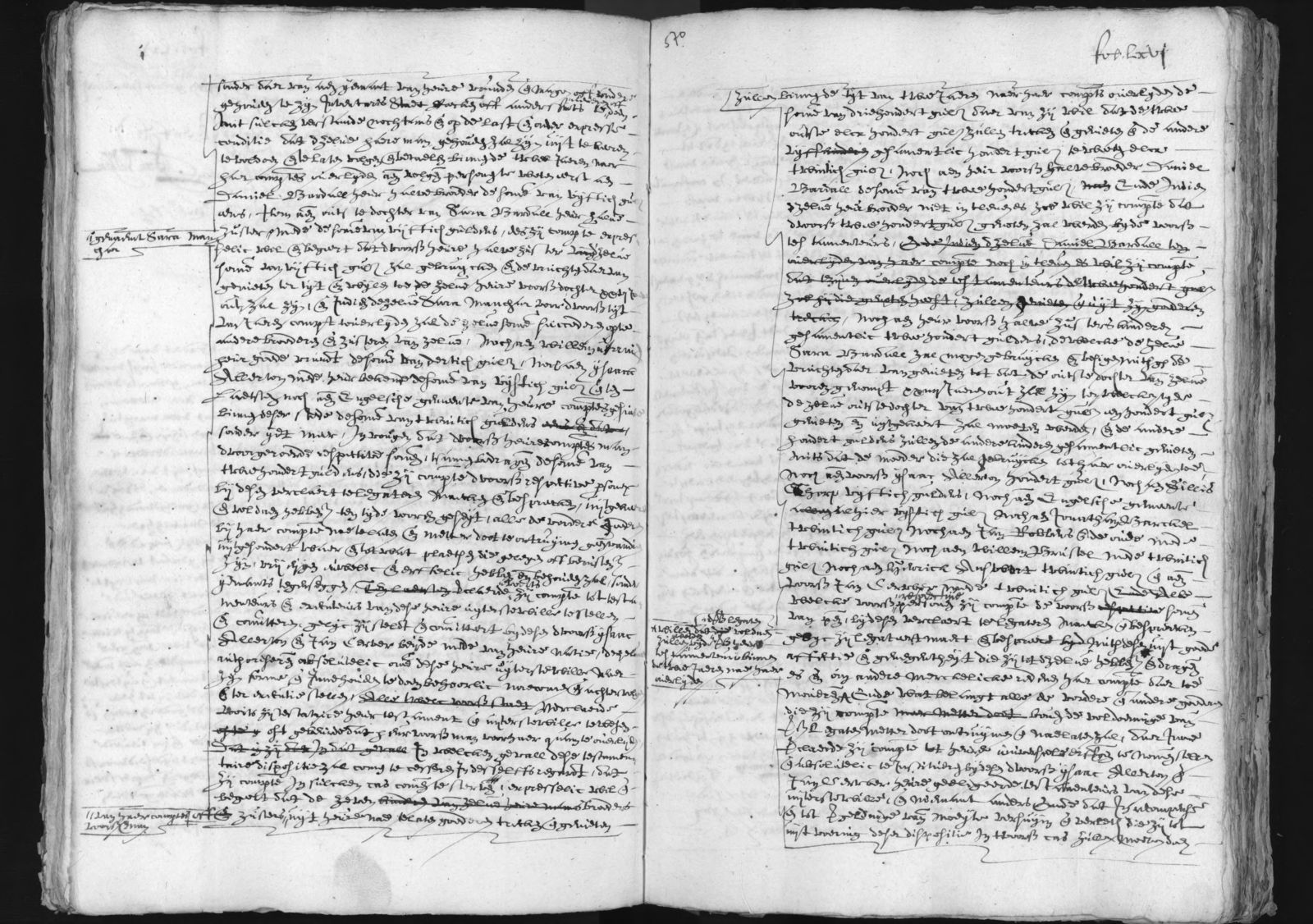
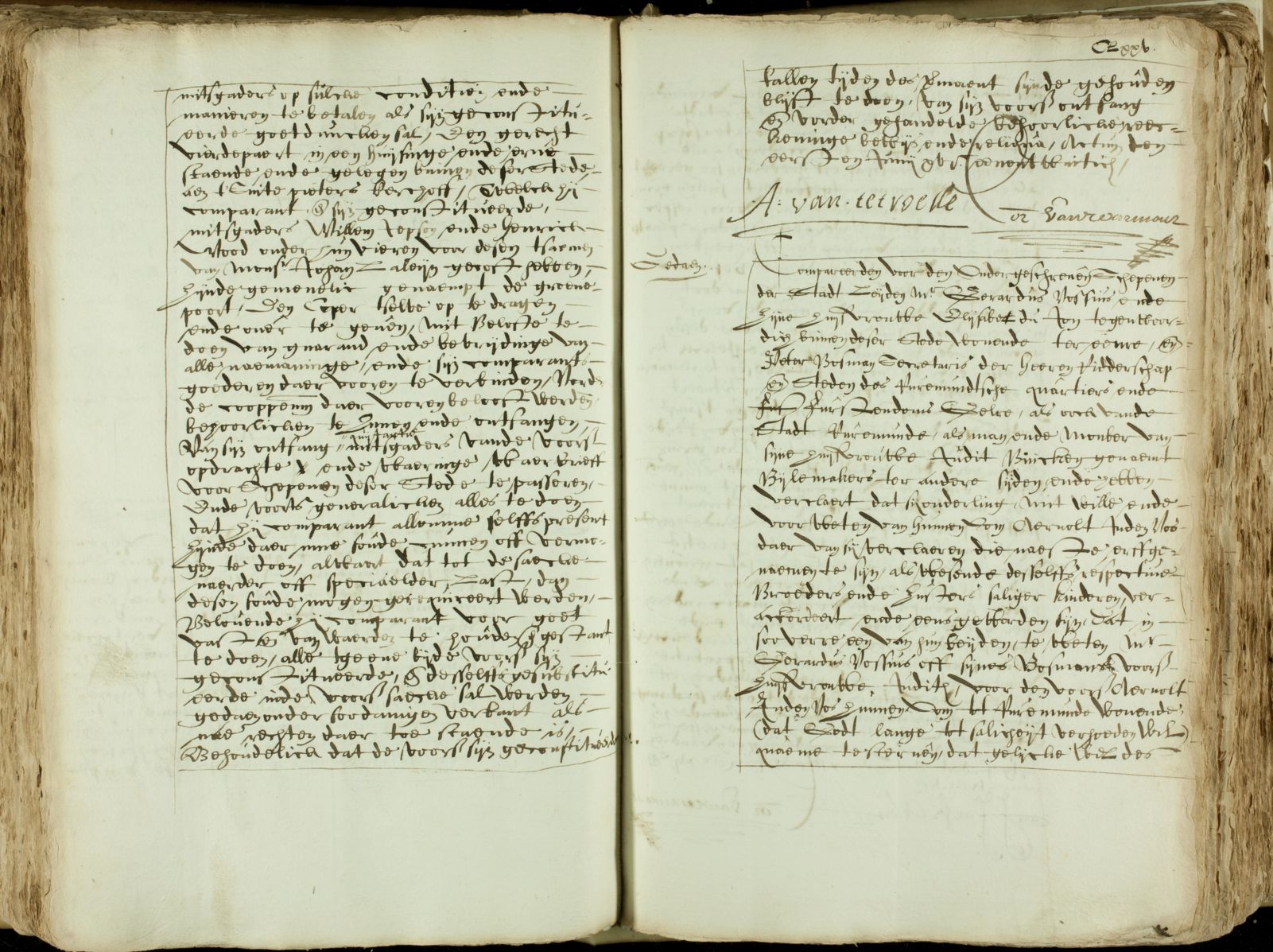
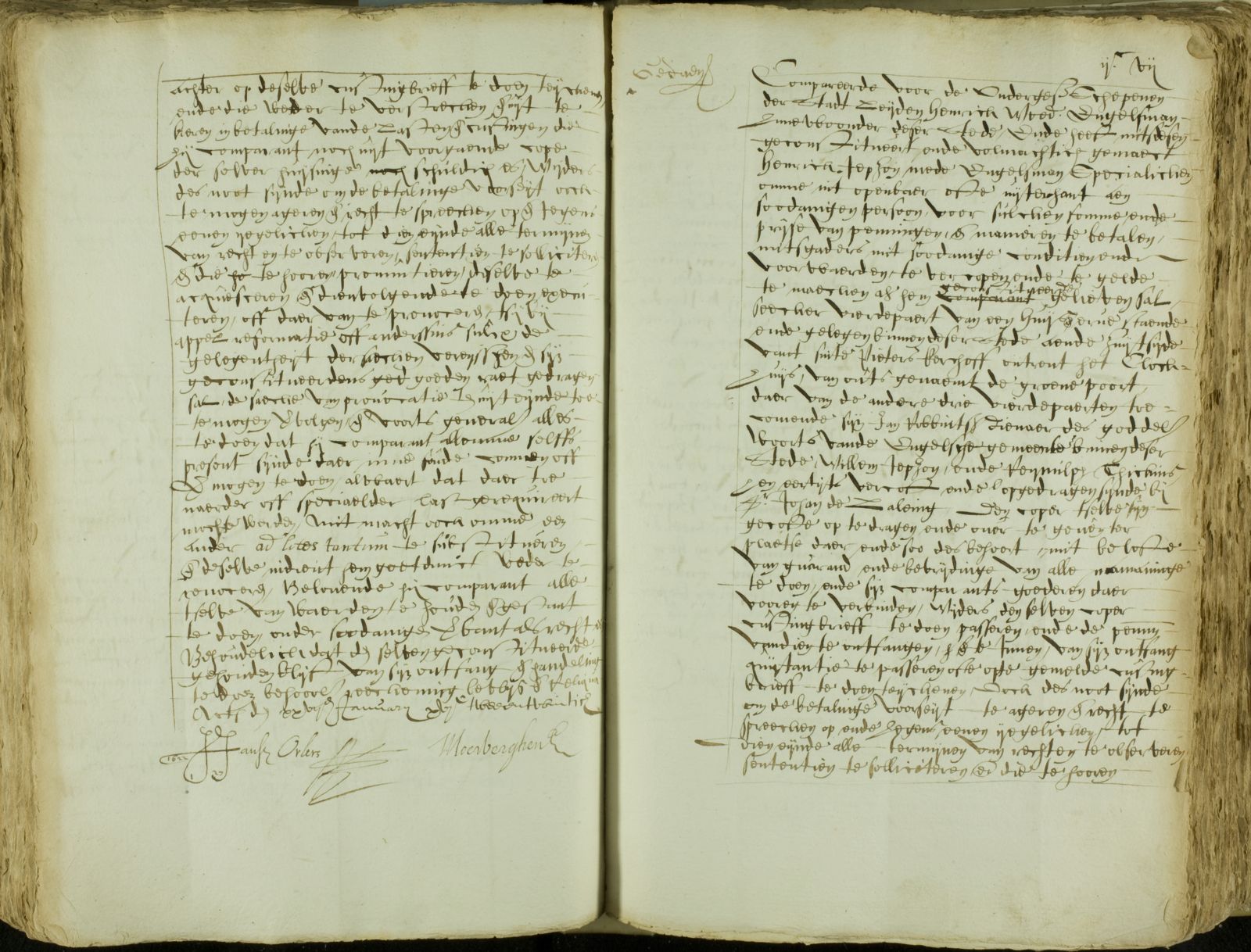
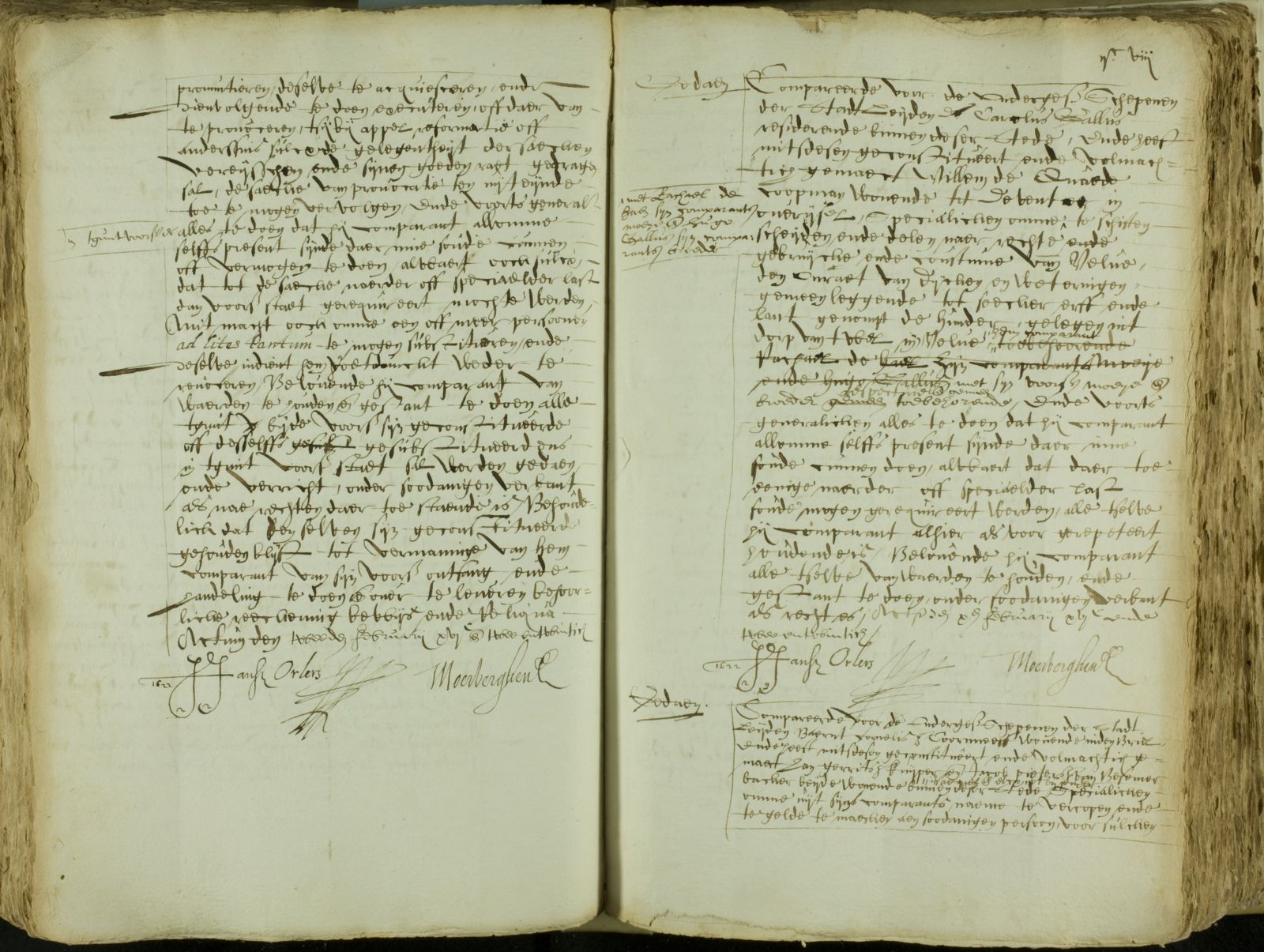
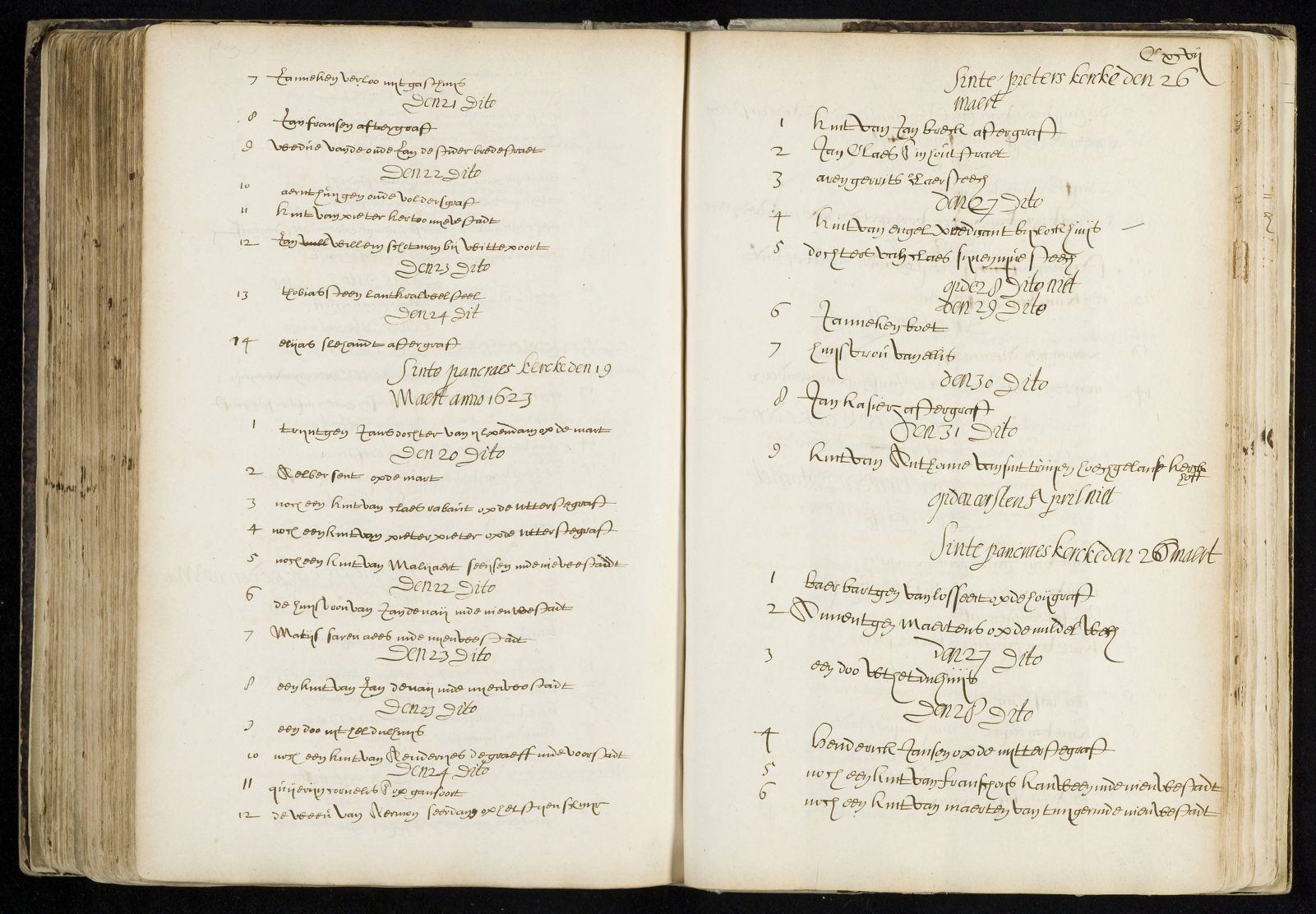
Complete English translation
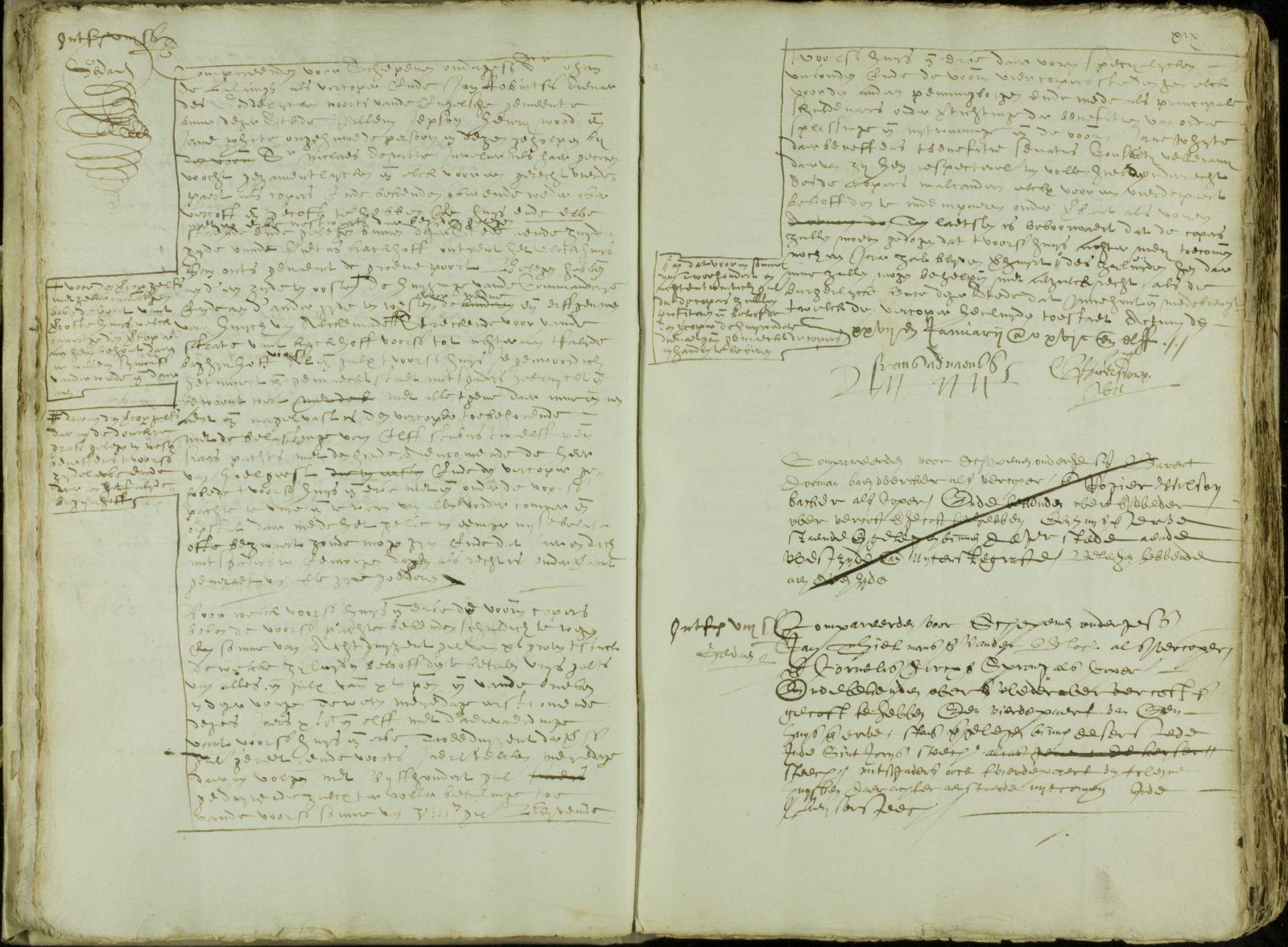
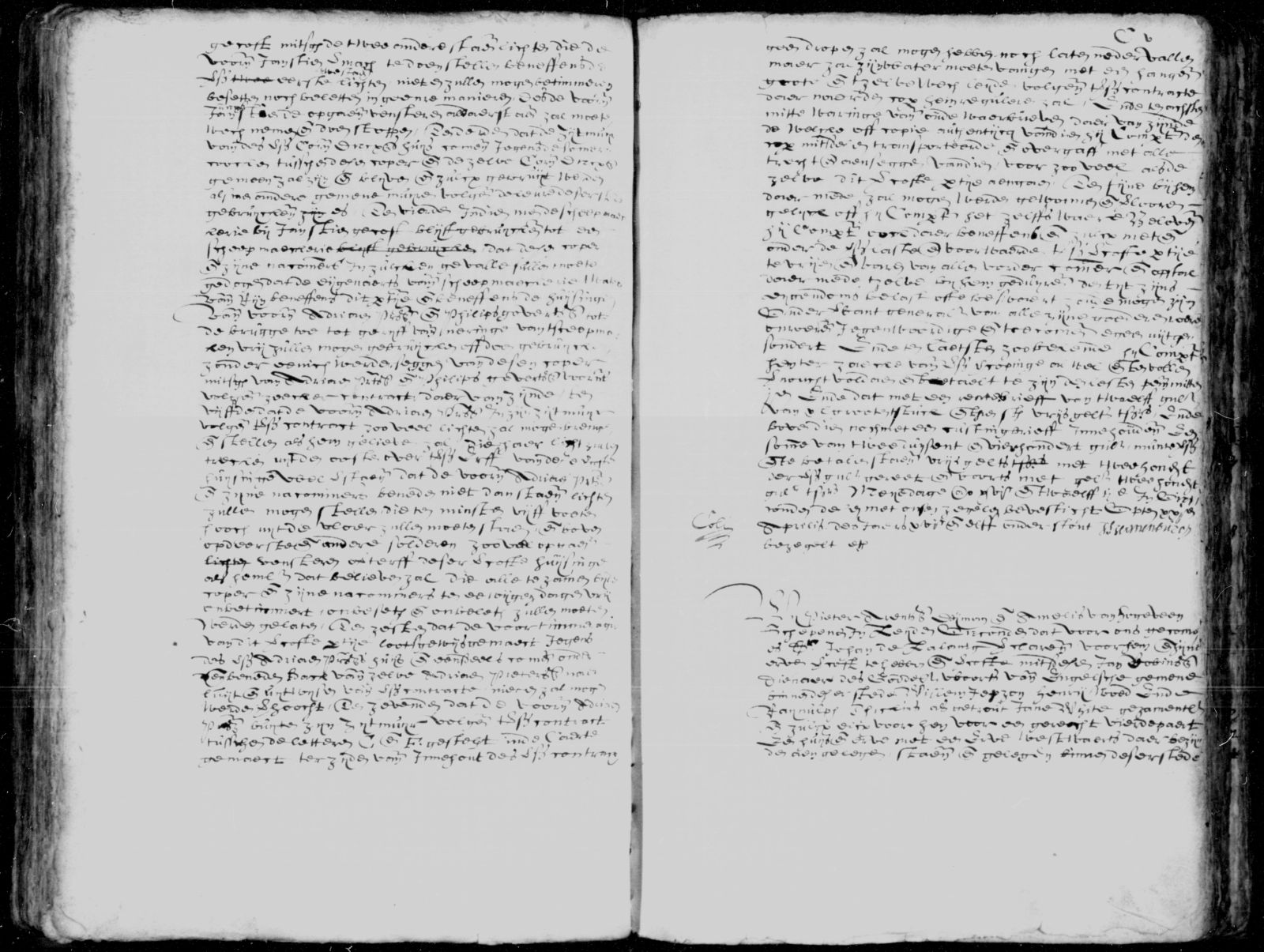
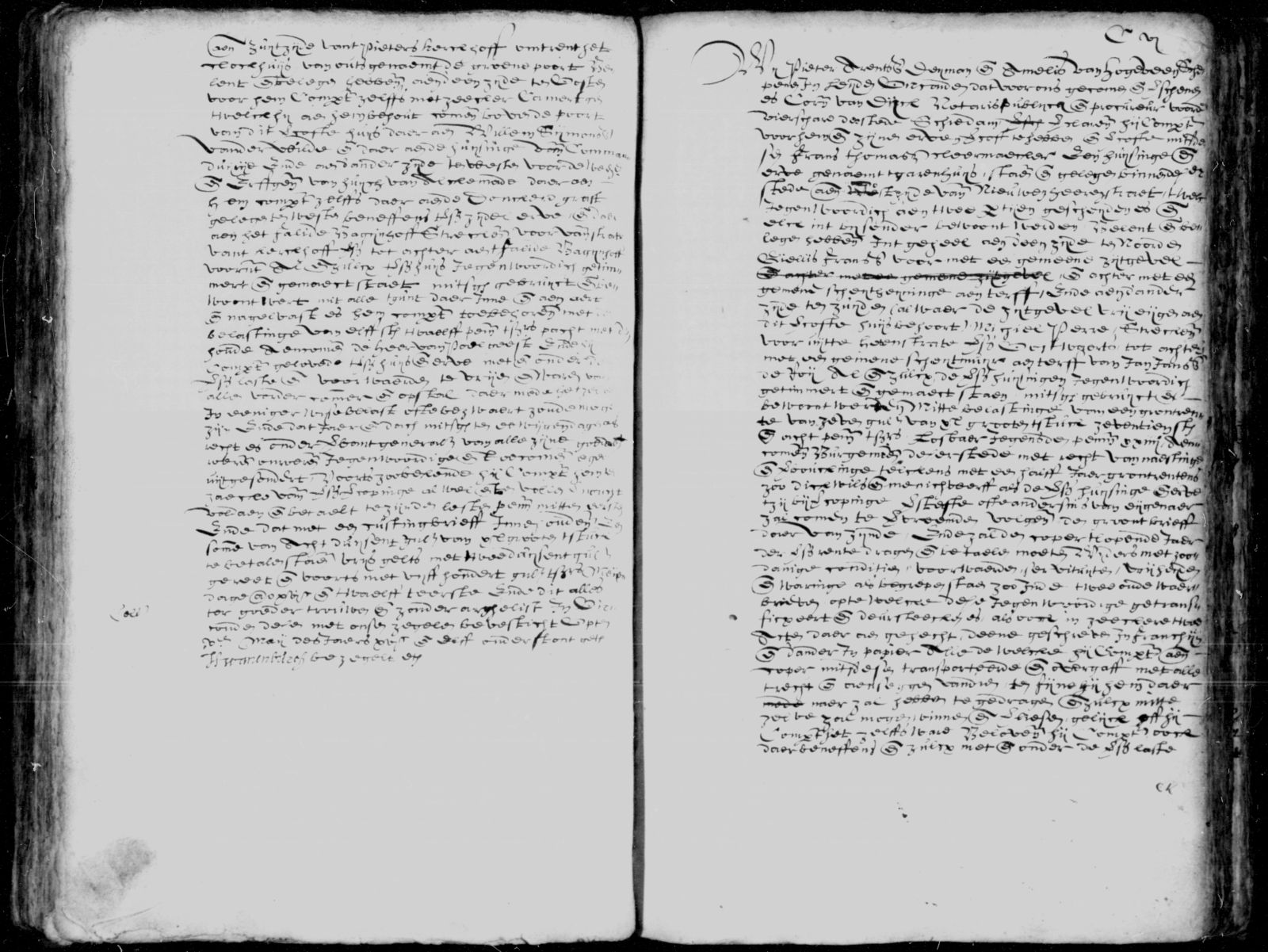
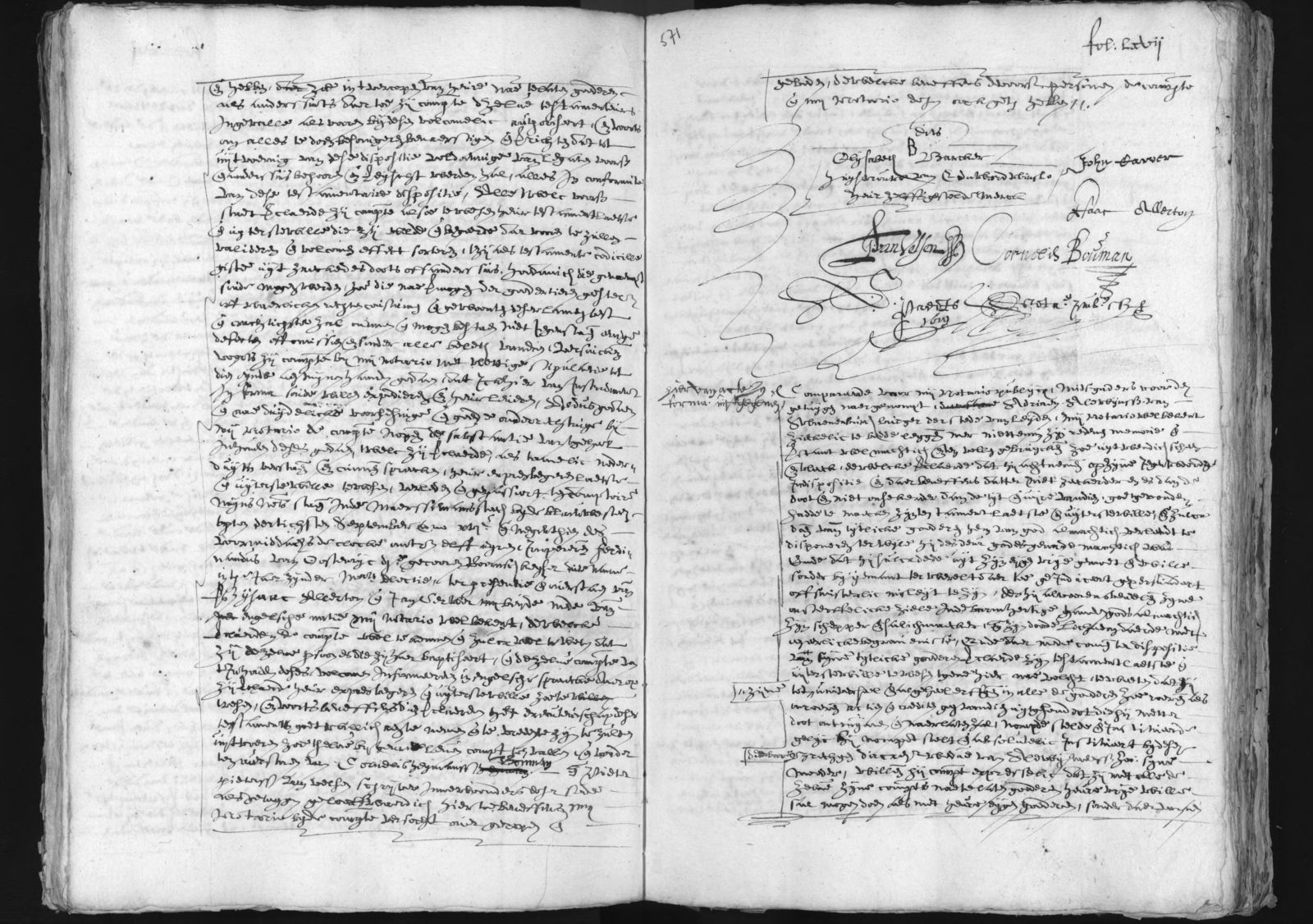
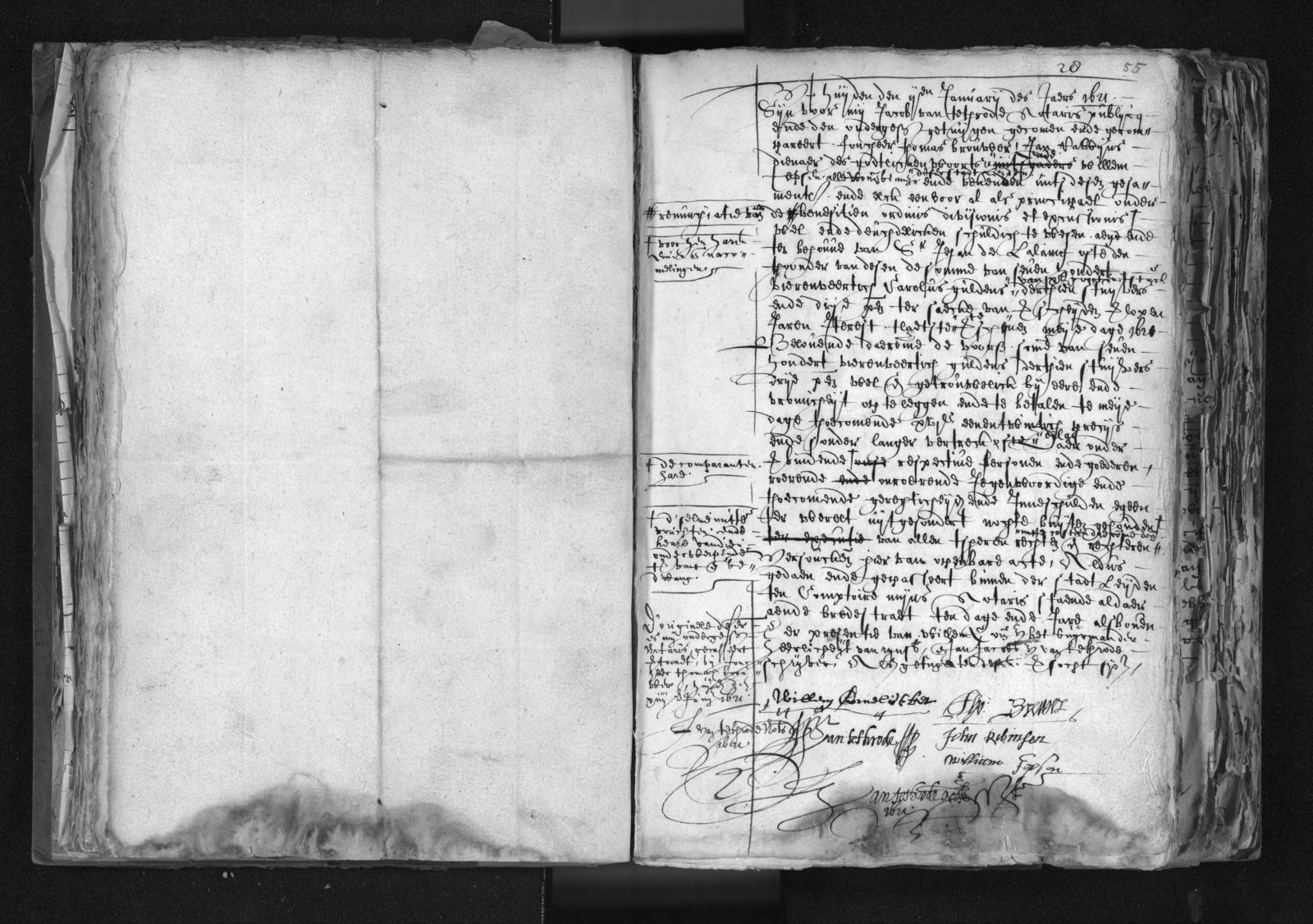
Appeared before me, notary public, and the witnesses named below, Seigneur Thomas Brewer, born in England and personally known to me, the notary. Though ill, he was walking and standing, in full possession and use of his reason, memory and understanding, as outwardly appeared, and I, the notary, could perceive nothing to the contrary.
Considering his present illness, the general frailty of human life on earth, and that nothing is more certain than death nor more uncertain than its time and hour, he declared that he had resolved to make his testament, last and final will. He did so freely and of his own accord, without being induced, persuaded or improperly misled by anyone in the world. First commending his immortal soul into the hands of Almighty God, his creator and saviour, and his dead body to the earth with an honourable burial, he proceeded to dispose of the temporal goods granted to him by Almighty God.
He declared it to be his testament, last and final will that he revoked, annulled and made void all testaments, codicils and other dispositions he might previously have made. Disposing anew in their place, he named, appointed and instituted as his sole, universal and complete heir in all goods he would leave—houses, lands and all other movable and immovable goods, actions and credits, money, gold and silver, coined and uncoined, of whatever kind and wherever situated—Mercy Brewer, his daughter, born to him by Mistress Anne Brewer.
He expressly willed that the following first be paid from the most readily available goods in his estate: 200 guilders of forty groten each to the deacons of the English congregation of which he was a member, for the benefit of that congregation; 100 guilders to Jan Carver, his very good acquaintance; twenty guilders to Grietgen Savere; forty guilders to his present male servant; and forty guilders to his maidservant. He declared that he bequeathed these amounts to the respective persons.
He appointed Jan Carver, his very good friend, as absolute guardian over his only daughter and instituted heir, with proper oversight and authority over her and with power to manage and administer her goods. Immediately after the testator’s death, Carver was authorised to accept the estate and goods under an inventory made by himself; to manage them for the greatest use, advantage and profit of the daughter; to sell and convert any of the goods into money as he considered advisable; to collect and receive the proceeds; and generally to do everything concerning the upbringing and maintenance of the child and the management of her goods that he considered useful and profitable.
He might act alone or with such other persons as he chose to assist him. All of this was to remain entirely outside the supervision of the aldermen of the city’s Orphans’ Chamber or anyone else, and also outside the supervision of any relatives of the testator or his late wife, all of whom the testator fully discharged and excused. He expressly wished that they should not interfere or take any knowledge of the matter, because he wholeheartedly entrusted it all to Jan Carver.
The testator further expressly willed that Jan Carver might retain 3,000 guilders from the outstanding debts or cash left at the testator’s death and use it for his own benefit, without having to render account, proof or balance to the daughter or anyone else. Carver was required only to bring all further sums that he collected within one year after the testator’s death from outstanding debts, claims or sold goods to the Orphans’ Chamber for the child’s benefit, to be invested at interest by the aldermen of that chamber.
Beyond the 3,000 guilders, Carver would owe an account of the estate to no one except the daughter herself once she was older than thirteen. At his discretion, however, he was to use the income from the estate, beyond the 3,000 guilders retained by him, for her maintenance or to spend it for that purpose. The testator also expressly willed that Carver maintain and bring up the daughter, for which, after she reached thirteen years of age, he would receive 250 guilders of forty groten each annually from her goods and income.
If Jan Carver died, the testator appointed in his place Willem Jeps, also an Englishman and a good acquaintance, with the same authority given to Carver. Both Carver and Jeps were authorised, after either of them, to choose and institute one or more suitable persons as guardians in their place with the same authority.
If the testator’s daughter and instituted heir should die after him before reaching twelve years of age, or later without having made a disposition of her goods and without leaving children, he willed that all goods left by her should pass as follows. The lands in England were to go to his brother Jan Brewer. All other goods were to be divided into ten portions, each constituting one lawful tenth share.
One portion was to go to his brother Jan Brewer; one to the English congregation of the testator’s nation; one to Jan Carver; and one to the brothers and sisters of the testator’s late wife in equal shares, with the children of any who had died taking their parent’s place by representation. One portion was to go to Rutsert Brewer, his nephew or cousin; and one to Willem Brewer, likewise his nephew or cousin.
Half of one portion was to go to Willem Brustel. Of the remaining half, one half was to go to the poor of the city of Leiden and the remaining quarter of that tenth portion to the library here. Another half portion was to go to Jan Robbens and the other half to Jan Doot. Half of another portion was to go to such displaced English ministers as Jan Carver should choose, and the other half to Henrick, Jacob and Richard Lee.
The tenth and final portion was divided so that one half went to Henric Aeynswart in Amsterdam. The remaining half was divided again: one half of it—one quarter of the tenth portion—went to the congregation in Amsterdam to which Henric belonged; and the remaining quarter was to be used by Jan Carver to purchase every book he could obtain in this country or elsewhere that had been published against the bishops and prohibited by them.
The appearing testator declared all the foregoing to be his testament, last and final will. He wished it to be valid as a testament, codicil, donation in contemplation of death or otherwise, in whatever manner it might most effectively stand and take effect under the laws, customs and usages of these lands, notwithstanding any defects or omissions. He requested that I, the notary, issue and deliver an instrument in proper form.
Thus done, clearly and fully read aloud, passed and executed by the appearing testator on 24 October 1618 at about eight o’clock in the morning, in the sixth year after the election of Matthias of Austria as the first chosen Roman Emperor of that name, in the house of the testator in the Nieuwsteeg in Leiden, in the presence of Maerten van Velden, apothecary, and Pieter Pietersz van Velden, clerk, inhabitants of this city, as trustworthy witnesses summoned and requested for this purpose together with me, the notary.
Signed: Tho. Brewer; M. van Velden; P. van Velzen; A. C. Paedts, notary, 1618.
Translation by Radicae, The Leiden Connection, from the Dutch transcription supplied by Erfgoed Leiden. The name “Jan Robbens” is identified as John Robinson in the archive abstract.